


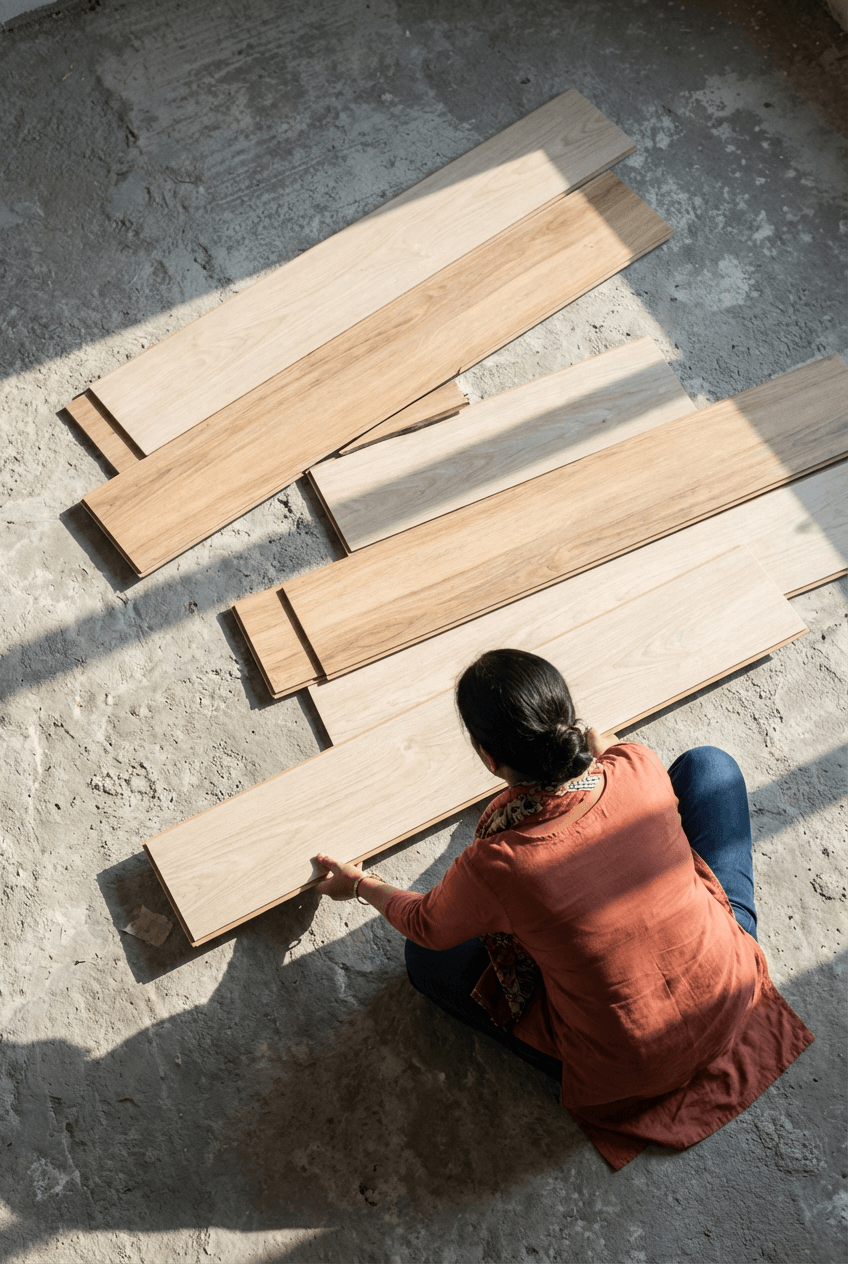
Solid wood flooring, milled from a single piece of high-quality timber, remains the definitive choice for homeowners who value authenticity, longevity, and historical grandeur. Within the Osera Universe, solid wood is not merely a product but a “solid foundation” that provides the grounding necessary for a complete living experience.
Durability, Longevity, and the Refinishing Lifecycle
The primary technical advantage of solid wood is its extreme durability. Unlike laminate or vinyl, which are limited by a thin surface layer, solid wood—whether Oak, Walnut, or Teak—possesses a density that allows it to withstand heavy foot traffic for decades. A professionally installed solid wood floor can last 50 to 100 years, effectively outlasting almost any other building material in a residential setting.
The “refinishing potential” of solid wood is its most significant economic feature. Over time, any floor will encounter wear, including scratches or dents. However, solid wood can be sanded down to raw timber and refinished multiple times (typically six or seven times over its lifespan). This allows a floor to be periodically “reborn,” reflecting the changing tastes of the homeowner or simply erasing the signs of aging without the need for a total replacement.
Economic ROI and Property Appreciation
From a real estate perspective, solid wood flooring is a high-performance asset. Studies indicate that homeowners can recoup between 70% and 118% of their investment in hardwood floors when selling their home. Real estate agents identify solid wood as a “luxury item” that increases the perceived value of a property, helping homes sell faster and at a premium of 3% to 5% over comparable properties with carpet or laminate. This return on investment (ROI) is driven by the fact that buyers view “original wood floors” as an authentic feature that adds character and warmth rather than a utility that will eventually need to be removed.
Environmental Health and Indoor Air Quality
The selection of solid wood is also a strategic health decision. Carpets are known to trap dust mites, pet dander, pollen, and other environmental hazards within their fibers, effectively acting as a reservoir for allergens. Solid wood, by contrast, possesses a non-porous surface that does not harbor these pollutants, making it the preferred choice for residents with respiratory sensitivities or allergies.
Furthermore, solid wood floors are naturally hygienic and easy to maintain. They do not release the volatile organic compounds (VOCs) that are sometimes emitted by the adhesives and resins used in synthetic flooring. The “warmth” of wood also provides a physical benefit; wood retains heat more effectively than stone or tile and offers a subtle “spring” underfoot that reduces fatigue during long periods of standing.